About
Resources
1) Mcewen (1998) — Stress, Adaptation, and Disease: Allostasis and Allostatic Load.
The paper distinguishes homeostasis (Stability Through Constancy) From Allostasis (Stability Through Change) As The Organism’s Adaptive Response To Stress. Allostatic Load Is Defined As The “Wear And Tear” That Accumulates When Stress-Response Systems Are Activated Too Often Or Too Long. Disease Risk Increases When Adaptation Is Repeatedly Demanded Without Sufficient Recovery; The Problem Is Chronic Activation, Not Acute Stress Per Se. Mcewen Describes Multiple Patterns (Types) Of Allostatic Load, Including: Frequent Activation, Failure To Shut Off After Stress, And Inadequate Responses That Cause Compensatory Overactivity In Other Systems. Stress Impacts Multiple Interacting Systems: Autonomic, Neuroendocrine, Immune, And Central Nervous Systemnetworks. The Model Frames Chronic Stress-Related Illness As A Systems Problem (Multi-Level Dysregulation) Rather Than A Single Hormone Or Organ Issue.
2) Thayer & Lane (2009) — Neurovisceral Integration
The Neurovisceral Integration Model Proposes That A Network Of Brain Structures Supporting Cognitive, Affective, And Autonomic Regulation Is Reflected In Measures Of Heart Rate Variability (Hrv). Hrv Is Treated As An Index Of Self-Regulatory Capacity And Adaptability, Not Merely A Cardiac Metric. The Framework Links Prefrontal Neural Function To Autonomic Control, Suggesting That Better Top-Down Regulation Corresponds To More Adaptive Physiological Variability. The Model Predicts That Higher Hrv Correlates With Better Performance On Tasks Involving Executive Function And Flexible Responding Under Stress. Conversely, Low Hrv Is Associated With Poorer Regulatory Flexibility And Is Discussed In Relation To Stress-Related Vulnerability And Health Risk (As A Correlate/Marker).
3) Lehrer Et Al. (2020) — Heart Rate Variability Biofeedback Improves Emotional And Physical Health And Performance: Systematic Review & Meta-Analysis
Lehrer And Colleagues Conducted A Systematic Review And Meta-Analysis Of Randomized Controlled Studies Of Hrv Biofeedback (Hrvb). They Evaluated Hrvb Across Multiple Domains, Including Psychological Symptoms, Biological Outcomes, And Performance Contexts. The Review Supports Hrvb As Having Beneficial Effects Across Several Outcomes, With Effects Typically Described As Small-To-Moderate Depending On Outcome And Study Quality (I.E., Helpful But Not A Miracle Cure). Hrvb Is Commonly Operationalized Via Breathing Patterns That Increase Organized Hr Oscillations (Often Involving Resonance-Frequency Style Training), Though Protocols Vary Across Studies. A Key Practical Implication Is That Hrvb Can Function As A Complementary Intervention Used Alongside Established Clinical Or Performance Approaches, Rather Than Replacing Them.
4) Jerath Et Al. (Slow Breathing Physiology) — Evidence Base And What Is “Proven”
Important Precision: The Commonly Cited Jerath Paper Is 2006, Not 2015, And It Is Explicitly Framed As A Hypothesis/Mechanism Proposal, Not Definitive Proof.
Jerath Et Al. Propose (Hypothesize) That Voluntary Slow, Deep Breathing May Shift Autonomic Balance Via Lung Stretch Receptor Signaling And Other Inhibitory Pathways. They Suggest Slow Breathing Can Promote Changes In Autonomic Measures (E.G., Hrv/Rsa) And Central Nervous System Activity, But They Emphasize Mechanisms Are Not Fully Established. For “Proven” Physiological Effects Of Slow Breathing In Healthy Humans, A Later Comprehensive Review (Russo Et Al., 2017) Summarizes Evidence For Effects On Baroreflex Sensitivity, Hrv, Chemoreflex, And Sympathovagal Balance, Especially Around ~6 Breaths/Min In Many Studies.
5) Sterling (2012) — Allostasis: A Model Of Predictive Regulation
Sterling Argues That Efficient Biological Regulation Is Fundamentally Predictive, Not Purely Reactive Error-Correction. In This Model, The Brain Anticipates Needs And Coordinates Physiological Responses Before Errors Become Large (I.E., Before “Setpoints” Drift). Advantages Described Include Reducing The Magnitude/Frequency Of Regulatory Errors And Matching Capacities Across Systems To Avoid Bottlenecks. The Model Emphasizes Integrated Resource Allocation Across Systems (Energy, Circulation, Metabolism, Behavior) As A Core Feature Of Regulation. Key Takeaway: Chronic Stress Can Be Reframed As Maladaptive Predictive Regulation (Or Prediction Mismatch), Not Merely “Too Much Stress Hormone.”
6) Porges (2011) — The Polyvagal Theory
Polyvagal Theory Proposes That The Vagus Nerve’s Influence Is Not A Single “Rest-And-Digest” Unit, But Involves Functionally Distinct Pathways Linked To Different Behavioral States.
The Framework Describes A Hierarchy Of Autonomic Responses: Social Engagement/Safety-Related Regulation, Mobilization (Fight/Flight), And Immobilization/Shutdown.
The Book Emphasizes The Role Of Perceived Safety In Modulating Autonomic State And Social Behavior, Including Attachment And Co-Regulation (Conceptual Framing).
Polyvagal Theory Is Widely Used Clinically As A Conceptual Model, Though Specific Claims Are Debated In Parts Of Academic Physiology; For A White Paper, It Should Be Presented As A Framework Rather Than Settled Fact.
Teachers & Masters
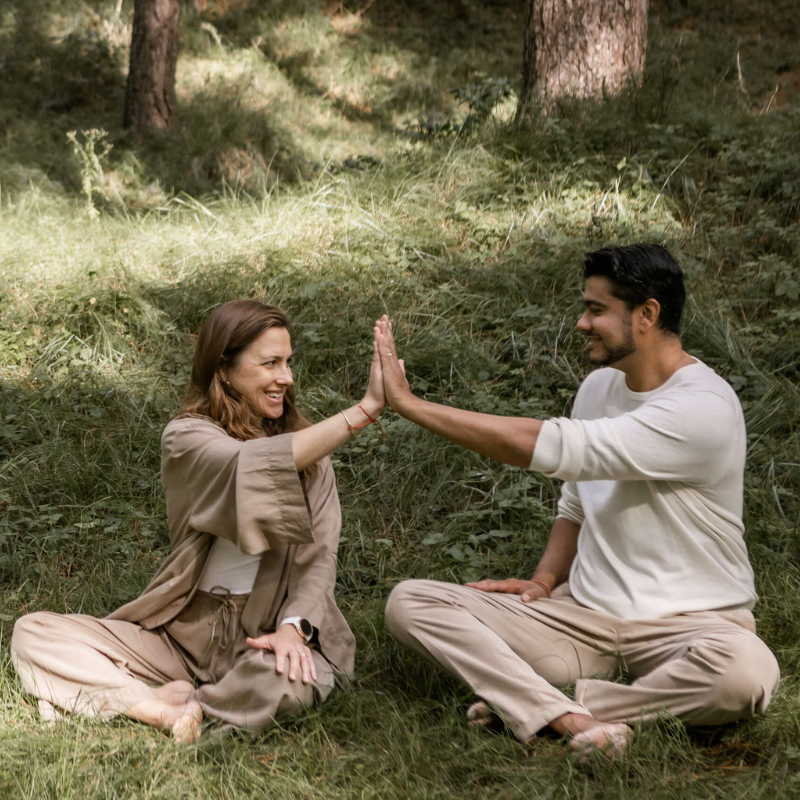
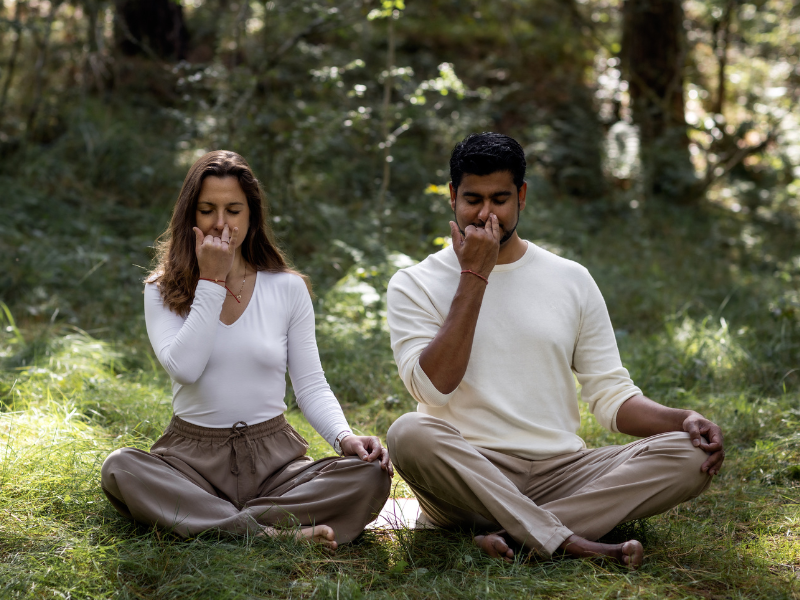
In a world full of quick certifications and instant expertise, we choose depth. We honour the lineage of breath passed down through living masters- those who don’t just teach the breath, but live it. Their presence is a reminder that these practices are not trends, but timeless tools. Through them we carry wisdom that continues to heal, guide and transform lives.
Teachers
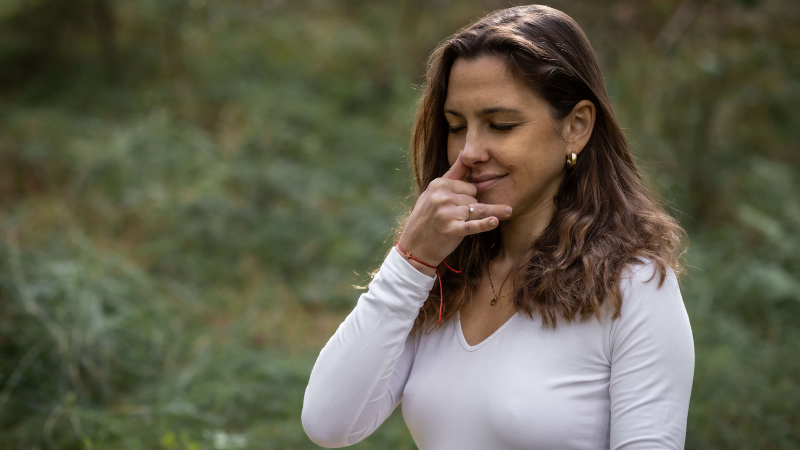
Kasia Bishoen
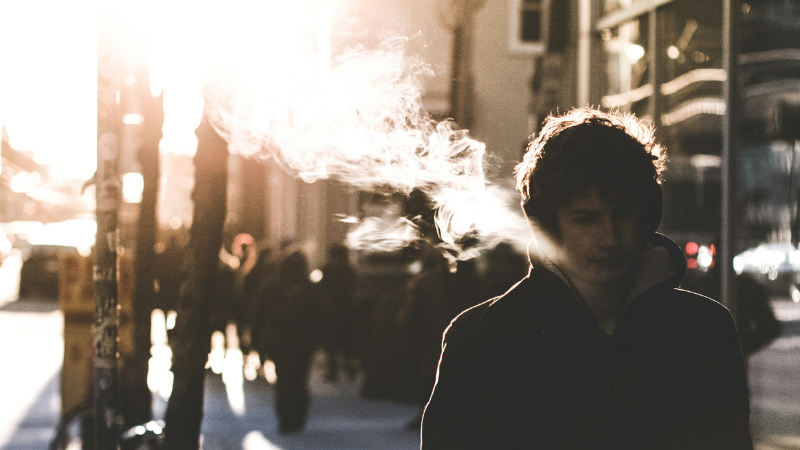
Breathing, Yoga, Meditation Coach
Kasia is a Breathing, Yoga, Meditation Teacher, and Ayurvedic Marma Therapist. With a lifelong love for movement through swimming, tennis, skiing, and a professional background in global sports marketing at Nike and Adidas, she brings a grounded yet intuitive approach to healing and inner balance. Her work integrates (…) Read more
Shiva Bishoen
Breathing, Yoga, Meditation Coach
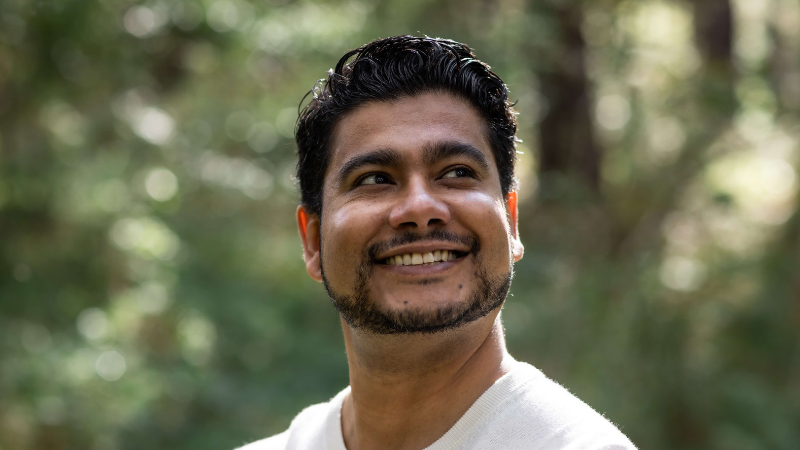
Shiva is a Breathing, Yoga, Meditation Teacher rooted in the Kaivalyadhama tradition of classical yogic breathwork. With a lifelong background in martial arts, athletics, and strength training, he brings groundness, clarity, and deep presence to his teaching. Shiva is known for (…) Read more
Your Breath
Your Inner Guide. Your Closest Companion.
Your Breath is your greatest life coach, always with you, always guiding you back to yourself. In moments of stress, she grounds you. In moments of doubt, she clears the fog. She knows your rhythms, your emotions, your truth. By listening to your breath, you learn when to slow down, when to release, and when to rise again. She teaches you to pause, to feel, and to return home to yourself. Your breath is more than a function of life; she is your wisest teacher.
Masters

Sudhir Tiwari
Kaivalyadhama Yoga Institute, India
Sudhir Tiwari is an international Pranayama and Yoga Teacher of the Kaivalyadhama tradition, taught by his father, the revered Pranayama master Om Prakash Tiwari. He teaches yoga globally, offering an autentic, science-informed approach, emphasizing Pranayama, Mantra, Meditation, and ethical principles as lived experience rather then performance.

Tenzin Wangal Rinpoche
Ligmincha International, Bon Buddhism, Tibet
Tenzin Wangyal Rinpoche is a renewed teacher and meditation master in the Bön Buddhist tradition of Tibet. A direct student of Lopon Tenzin Namdak, he is widely respected for blending the depth of his teachings with a deep understanding of the modern mind. He is the founder of Ligmincha International and author of more than ten books, including Awakening the Luminous Mind and The True Source of Healing.

Satya Katiza and Sahaj Kevin
Pura Amrita, Living Awake Foundation, Mallorca
Satya & Sahaj are spiritual partners and teachers dedicated to guiding others into “living awareness”—a life lived from presence, truth, and inner clarity. Since their meeting in Bali in 2010, they have shared a deep commitment to walking the path of awakening side by side, offering teachings that arise from lived experience and genuine simplicity.
Satya, a yogini at heart and soul, embodies yoga as a natural language of love and truth. A seasoned ERYT‑500 yoga teacher authorized to certify at both 200- and 500‑hour levels, she integrates Mindfulness, Vipassana, Ashtanga, Iyengar, Vinyasa, and Yin into a holistic and accessible practice. Her presence is known for its warmth, clarity, and transformative softness.
Sahaj’s spiritual quest began with martial arts and a transformative awakening in his early twenties. Since then, he has studied with teachers in traditions such as Vipassana, Mahayana, Zen, Tibetan Dzogchen, Viniyoga, and Tibetan healing arts. Together they created and led the Delight Yoga Teacher Training for nearly a decade before founding Pura Amrita, Living Awareness Foundation in 2023—an open container for shared practice, satsang, retreats, and prayerful community life. Their teaching is simple yet profound: a practice free from pretense, an invitation to rest in presence, and an embodied exploration of love, truth, and joy.

Sunita Singh
Sunita Singh is an experienced and intuitive Yoga Teacher with over three decades of international teaching experience. Her work is rooted in a therapeutic and intuitive approach to yoga, combining conscious movement, deep breathwork, and meditative stillness. Drawing from the ancient traditions of Sukshma Yoga and Kundalini Yoga, she offers a unique blend of practices that address not only the body, but also the emotional and energetic layers of the self. Sunita believes that yoga is a powerful path to self-discovery, transformation, and healing—supporting individuals to release past imprints, build resilience, and reconnect to their inner strength. Her classes are designed to meet each student where they are, gently guiding them toward clarity, vitality, and spiritual alignment. Currently based in South Goa, she shares her teachings in Dharamshala during the summer and in Goa during the winter.
About Shiva
Shiva Bishoen is a Meditation and Pranayama Teacher rooted in the Kaivalyadhama tradition of classical yogic breathwork. With a lifelong background in martial arts, athletics, and strength training, he brings groundedness, clarity, and deep presence to his teaching. Shiva is known for his practical wisdom, calm energy, and ability to translate complex ancient practices into accessible tools for modern life. He is currently completing his advanced Pranayama Teacher Training under Sudhir Tiwari in India.
Shiva’s path is shaped by a deep commitment to personal discipline, embodied wisdom, and attentive listening. He began practicing martial arts at the age of four—a discipline that formed his foundation of focus, resilience, and respect for inner strength. Throughout his youth, Shiva immersed himself in athletics, football, and later, years of self-guided weight and strength training. These physical practices grounded him in the value of dedication, breath, and mindful movement—long before he encountered formal yogic teachings.
Read more
Before stepping fully into the path of yoga and breathwork, Shiva worked in real estate—a profession where he honed his ability to truly listen to others, understand their needs, and offer clear, thoughtful guidance. This experience sharpened his natural gift for simplifying complexity and supporting people through transitions with a steady and pragmatic presence.
As he deepened his inner journey, Shiva found his calling in the practice of Pranayama and meditation, studying in the lineage of Kaivalyadhama, one of the oldest and most respected yoga research institutions in India. Under the guidance of Sudhir Tiwari, he has committed to a multi-year traditional training, studying not only the techniques but the philosophy, subtle energetics, and therapeutic application of the breath.
His teaching style blends ancient yogic knowledge with practical insight. Shiva offers structure without rigidity, tradition without dogma. Whether working one-on-one or guiding group sessions, he holds space with calm strength and humility—inviting others to reconnect with their breath, their body, and their innate sense of presence.
Professional Training & Lineage
- 2024–2025 | 3rd Year Pranayama Teacher Training, Kaivalyadhama Tradition | with Sudhir Tiwari, Lonavala & Rishikesh, India
- 2023–2024 | 2nd Year Pranayama Teacher Training, Kaivalyadhama Tradition | with Sudhir Tiwari, Lonavala, India
- 2023 | Brain & Heart Coherence Training | with Nicola Farmer, UK
- 2022 | 1st Year Pranayama Teacher Training, Kaivalyadhama Tradition | with Sudhir Tiwari, Amsterdam
- 2021 | Shift Meditation with Singing Bowls | with Stacey Griffin, Amsterdam
- 2018 | 200-hour Yoga Teacher Training in Ashtanga Vinyasa & Hatha Yoga | with Katiza Satya & Sahaj
- 2017 | Vedic Meditation Training
About Kasia
Kasia is a Yoga, Meditation, Pranayama Practitioner, and Ayurvedic Marma Therapist. With a lifelong love for movement through swimming, tennis, and skiing, and a background in global sports marketing at Adidas and Nike, she brings a grounded yet deeply intuitive approach to the inner journey of healing, balance, and embodiment. Her work draws from years of committed personal practice, a deep reverence for traditional lineages, and the transformative power of breath, touch, and stillness.
Kasia first encountered yoga in 2003 during a solo trip to Toronto. Her early adult years were marked by global exploration and a thirst for inner understanding. While studying in Singapore, she was introduced to mindfulness and Buddhist philosophy, which led her to visit temples and monasteries across Thailand, Cambodia, Laos, and Myanmar—where she witnessed the living presence of meditation woven into everyday life. These experiences planted seeds that would later grow into a fully rooted spiritual path.
Read more
In 2013, a severe femur fracture during a marathon brought Kasia’s active lifestyle to a halt and kept her from walking for over two years. This period of physical stillness became the catalyst for her deepest spiritual transformation. Yoga and breathwork became lifelines—guiding her through recovery and into the profound realization that healing is an inner art. “It was the most challenging and transformative time in my life,” she shares. “With yoga and the breath, I began walking again—physically and spiritually.”
Kasia completed her foundational 200-hour Yoga Teacher Training in 2018 under the guidance of senior teachers Katiza Satya and Kevin Sahaj. She continued into their advanced 350-hour studies in Ayurveda, Healing Yoga, Mindfulness, and Meditation. Her practice and teachings are deeply inspired by the wisdom of traditional yoga and its meeting point with Ayurveda, anatomy, and subtle energetics.
As a lifelong learner, she has studied with renowned teachers such as Eddie Stern, Richard Freeman & Mary Taylor, Donna Farhi, Petri Räisänen, Paul & Suzee Grilley. She is a graduate of multiple Ayurveda programs, including the Foundations of Ayurveda with Dr. Claudia Welch and Dr. Robert Svoboda, and an ongoing student of Victoria Hyndman and Dr. Vasant Lad—under whose guidance she was certified in Marma Therapy in 2020.
In 2022, Kasia completed her Pranayama Teacher Training in the Kaivalyadhama tradition with Sudhir Tiwari—deepening her devotion to the science of breath and its therapeutic application. She is also a student of Tenzin Wangyal Rinpoche, whose teachings in Dzogchen Buddhism and inner silence continue to guide her personal meditation path.
Kasia teaches from a place of lived experience, compassion, and clarity. Her sessions are invitations to return—to the breath, the body, and the deep wisdom that lives within. She offers 1:1 sessions, group classes, retreats, and trainings that support not just self-care, but self-remembrance.
We offer a wide variety of courses on Breathing,
Yoga and Meditation.
What if breathing less could give me more energy?
It sounds counterintuitive, but ancient yogic science and modern respiratory physiology agree: most of us overbreathe. This means we inhale more air than our body needs, which reduces oxygen delivery to the brain and tissues. Through Pranayama, we learn to breathe slower, softer and deeper, which calms the nervous system, enhances oxygen efficiency, and restores energy.
Can I meditate without 'clearing my mind'?
Yes. One of the biggest myths about meditation is that you must stop thinking. In truth, meditation isn’t about emptying the mind, but instead changing your relationship to it. It’s a space where you observe thoughts without becoming them, where awareness gently settles over mental noise like a mist. Over time, you find more space between thoughts—and that space is where clarity, calm, and creativity emerge.
What if your spine, not your strength, is the heart of your yoga practice?
In the West, yoga is often seen as a form of fitness or flexibility training. But in traditional yoga, the spine is central, not just physically, but energetically. Every breath, posture, and movement is designed to awaken the subtle flow of prana (vital energy) through the spine. The goal isn’t performance, but connection: to your inner axis, your breath, and your deeper self. When the spine is aligned and free, so is your nervous system, your breath, and your awareness.
Natural Breath
Natural Breath helps people rediscover the effortless, natural breath they were born with. Informed by modern science and rooted in the wisdom of Yoga and Pranayama, we guide you through a gentle process of restoring nervous system balance, resilience, calm, and lifelong wellbeing.
Online
Stay connected
Receive practical breathing tools, guided practices, and updates. Get inspired by a calmer and more grounded approach to modern life.
Our Website
Home
About
Offering
Natural Breath Reset
Blog & Resources
Contact
Policy
Privacy Policy
Terms & Conditions